EVE Community Village
San Francisco, California
Completed in 2025
Affordable Family Housing Within the Potrero Transformation
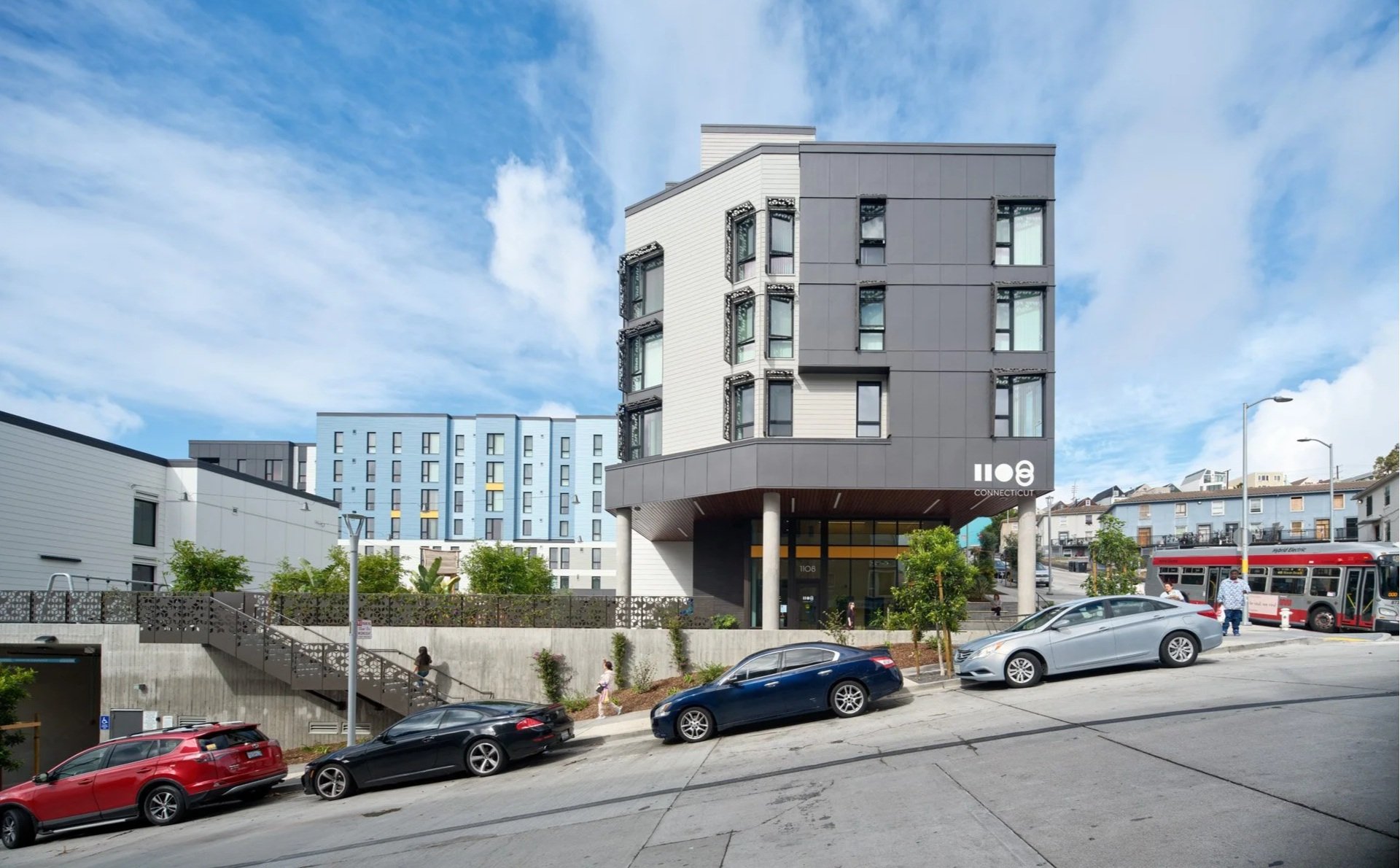
A new affordable housing community in San Francisco’s Potrero Hill neighborhood and a key milestone in the long-term Potrero HOPE SF redevelopment, EVE Community Village is located within the former Potrero Terrace and Annex public housing site. The project replaces aging public housing with 157 new affordable homes, a childcare center, resident services, shared open space, and neighborhood-serving amenities.
Designed as part of a larger effort to rebuild Potrero as a mixed-income, connected, and resilient community, EVE Community Village prioritizes current and former Potrero public housing residents while expanding access to affordable family housing in one of San Francisco’s most established hillside neighborhoods. The project reflects the central promise of HOPE SF: to improve housing, infrastructure, and community resources without displacing the people who have long called Potrero home.
A Hillside Site Reimagined for Access, Connection, and Daily Life
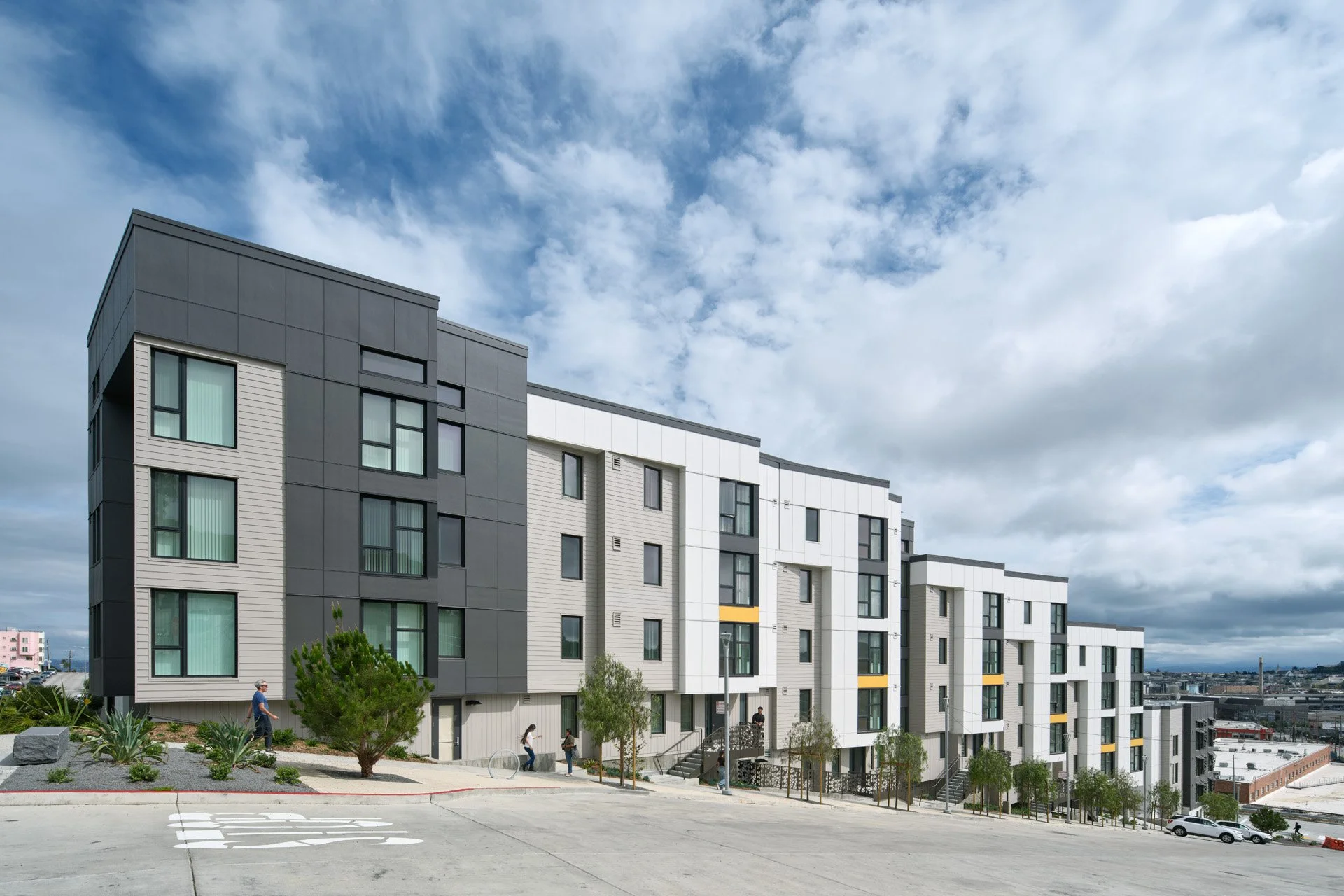
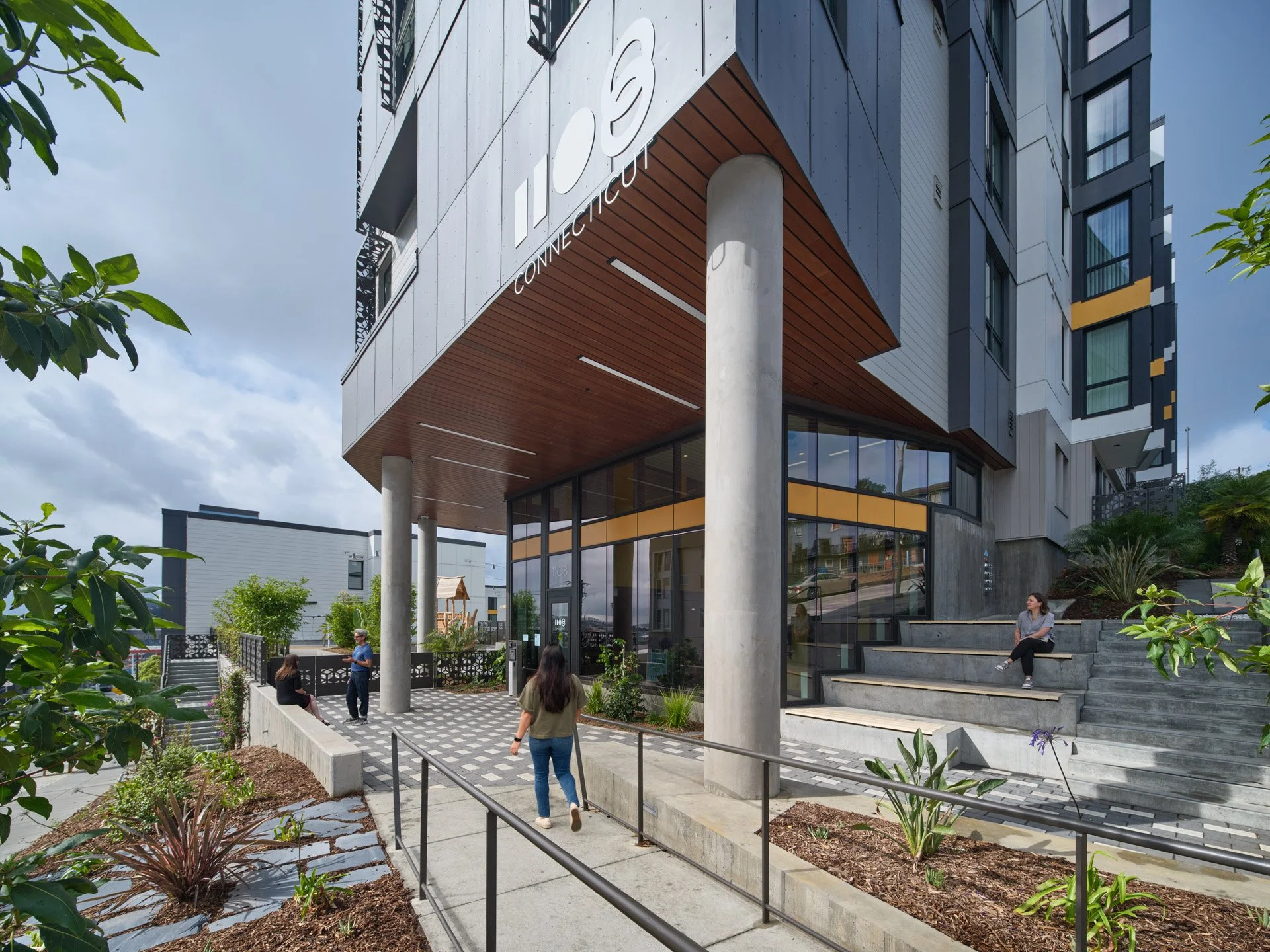
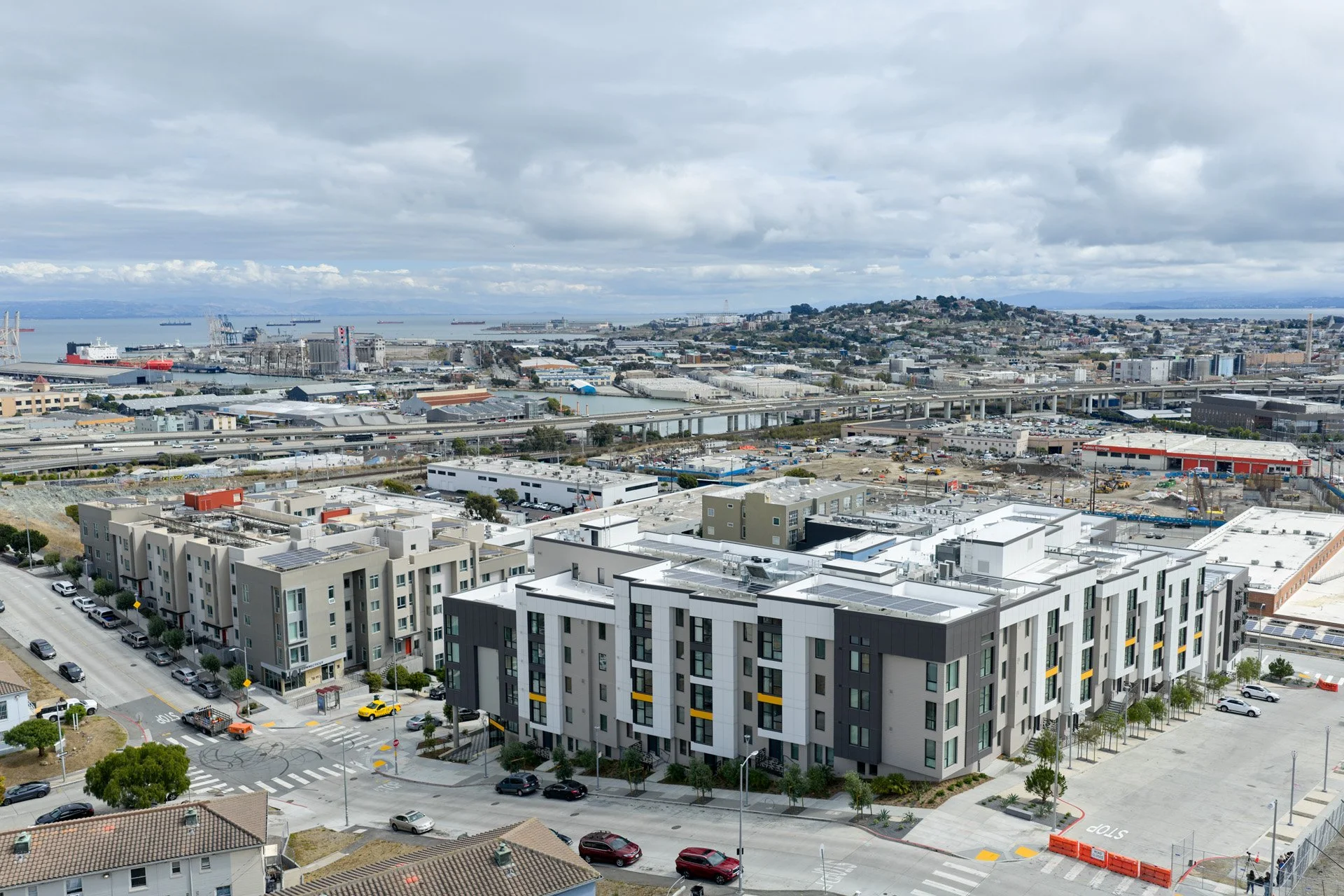
The site’s steep topography shaped every aspect of the design. Set on a slope of roughly 20 percent, EVE Community Village is organized as two residential buildings connected by a shared podium and central courtyard. The building steps with the hillside, allowing the architecture to meet the grade at multiple levels while creating a more accessible and legible experience for residents moving through the site.
This approach transforms a challenging slope into a framework for connection. Residential entries, common spaces, outdoor areas, and circulation routes are carefully positioned to support daily movement, visibility, and gathering. A landscaped courtyard creates a protected heart for the community, while a public mini-park and open space extend the project’s benefit beyond the building itself.
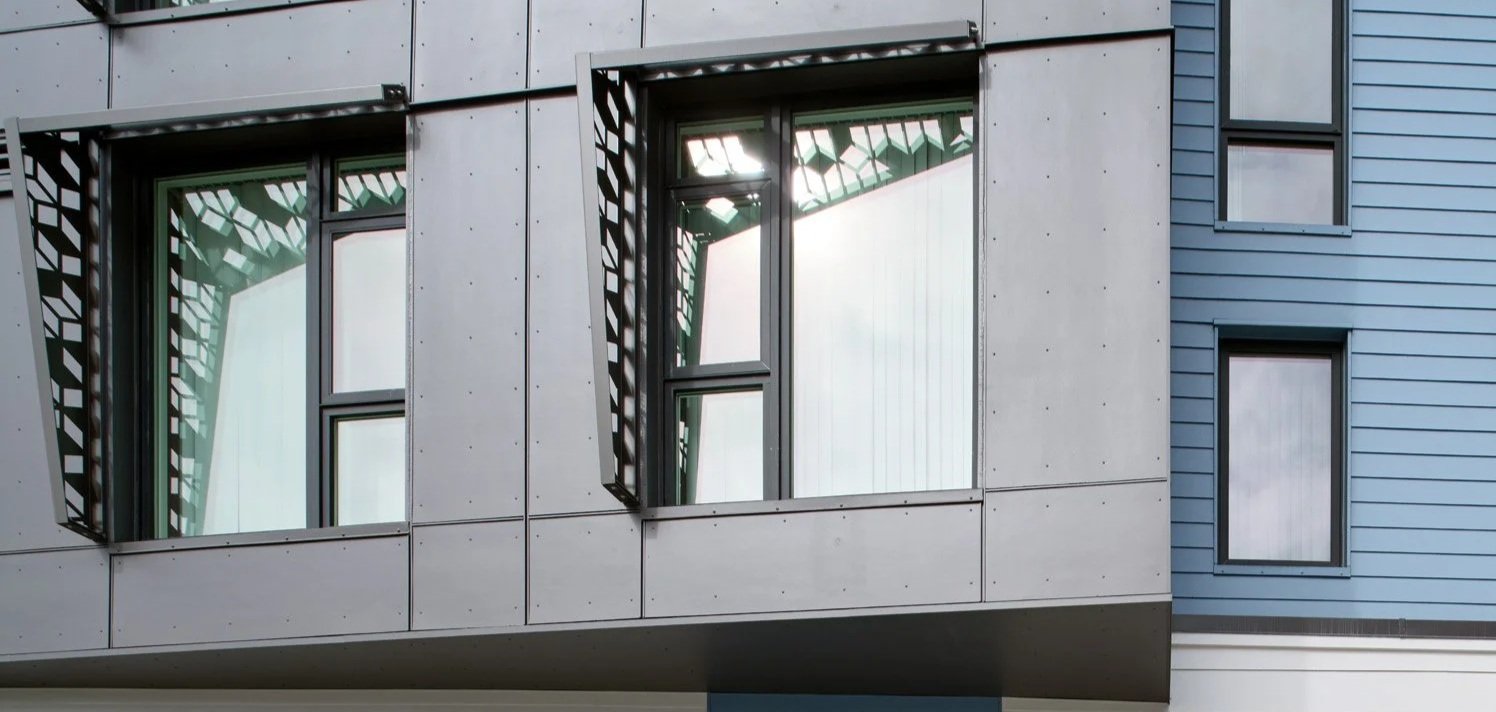
The design also responds to the scale and character of Potrero Hill. Larger building volumes address the broader redevelopment context and the site’s southern edge, while finer-grained details, outdoor rooms, and shared amenities help create a more residential rhythm. The result is a building that serves as both a gateway into the renewed Potrero neighborhood and a grounded place of belonging for families.
Housing Rooted in Right-to-Return Commitments
EVE Community Village was developed to serve families of all household sizes and needs. The building includes one-, two-, three-, and four-bedroom apartments, with most homes reserved for existing or former Potrero public housing residents through right-to-return and related preference programs. Additional homes are made available to other low-income households through San Francisco’s affordable housing process.
That resident mix reflects the project’s larger civic purpose. EVE Community Village is not only new housing; it is replacement housing, designed to support continuity for residents while improving quality, accessibility, and long-term stability. The family-sized unit mix responds directly to community needs identified through the public process, including feedback that led to more two- and three-bedroom homes and fewer one-bedroom units.
Accessibility was also a significant design and development priority. Public records identify mobility- and sensory-accessible apartments above minimum baseline requirements, supporting residents with a range of physical, hearing, and vision needs. These choices reinforce the project’s broader goal: to create housing that can serve families over time, through different stages of life and changing needs.
Community Amenities and On-Site Support
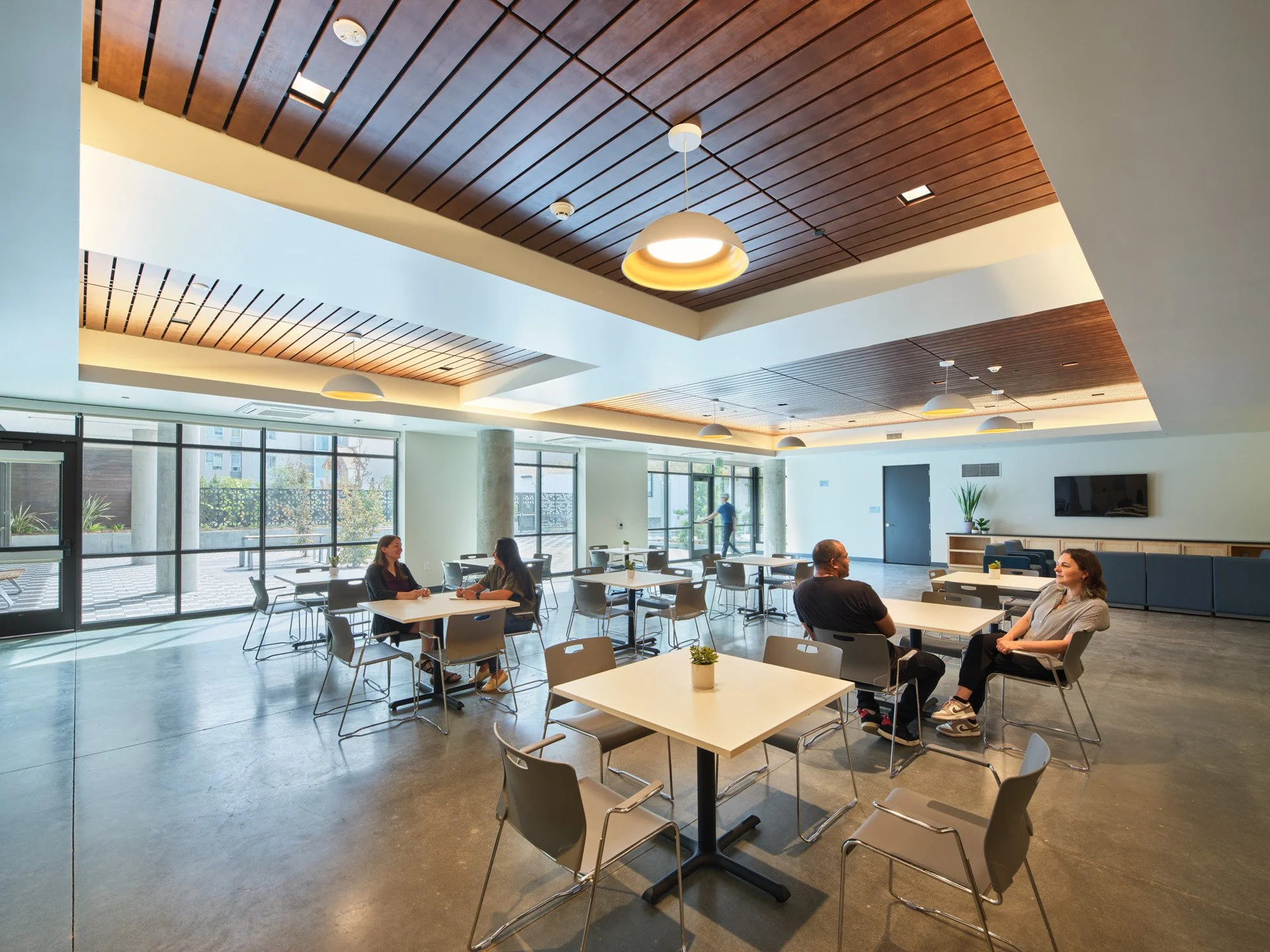
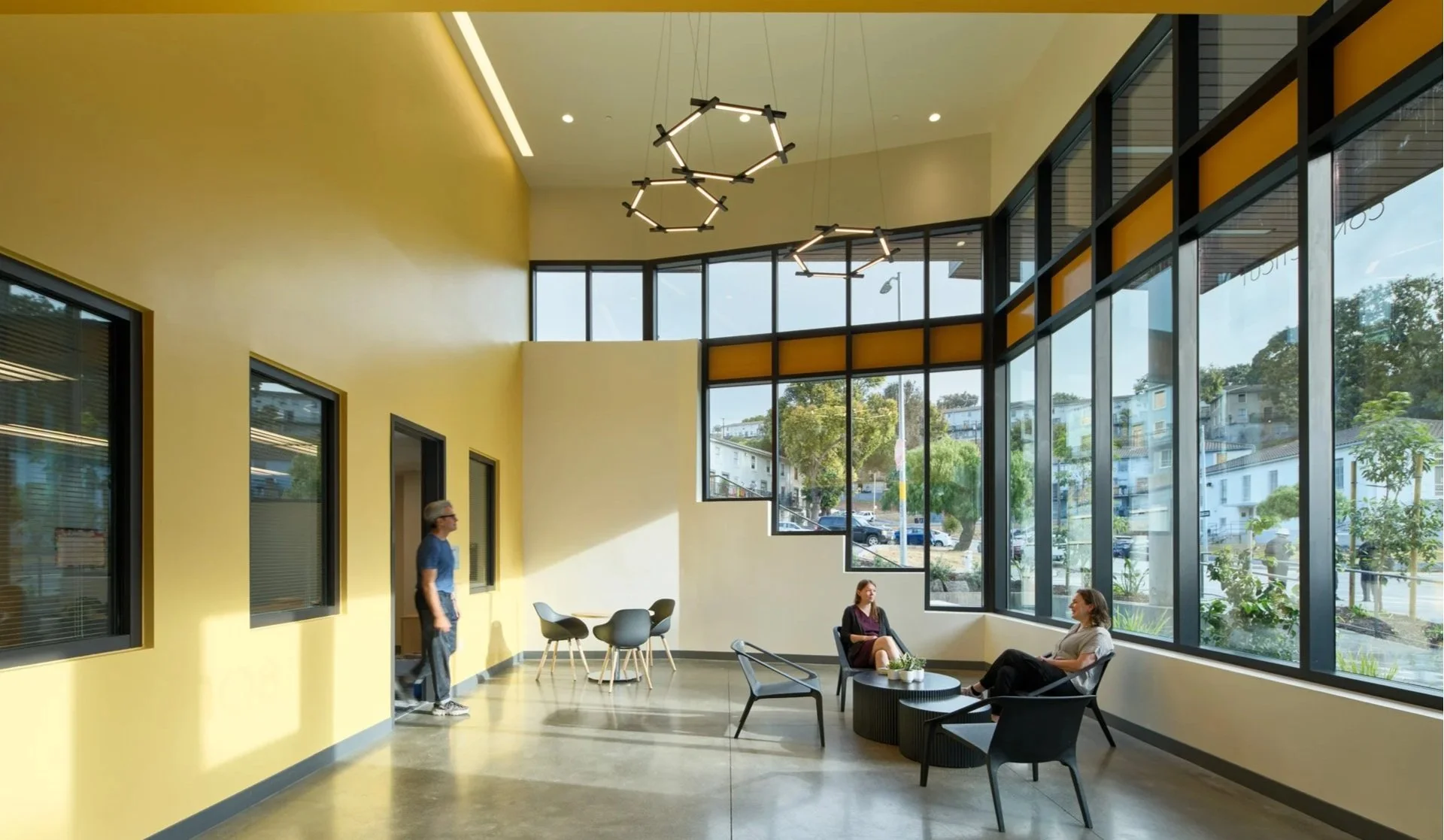
The project pairs affordable housing with resources that support family life and neighborhood stability. Shared amenities include a community room, teen room, rooftop terrace, bicycle storage, parking, property management offices, resident services space, and outdoor gathering areas. A 5,000-square-foot childcare center, operated by Cross Cultural Family Center, brings early childhood education directly into the community.
Resident services are also embedded in the project, with staff supporting housing stability, referrals, community-building programs, and connections to health, food, legal, transportation, and other resources. Together, these services help ensure the building functions not simply as new apartments, but as a long-term platform for resident well-being.
A Collaborative Public Investment
EVE Community Village is the result of a broad partnership among the public, nonprofit, design, and construction sectors. BRIDGE Housing led the development as part of its role in the larger Potrero HOPE SF master plan, with the San Francisco Housing Authority, MOHCD, San Francisco Planning Department, and state funding partners helping advance the approvals, financing, and public infrastructure needed to make the project possible.
The design team included a collaboration between Y.A. studio and HKIT, with HKIT serving as the executive architect and Y.A. studio leading the design effort.
Financing combined local affordable housing funds, state infrastructure and housing programs, and private lending. Major public sources included California Housing Accelerator funding, Affordable Housing and Sustainable Communities support, Infill Infrastructure Grant funding, and MOHCD gap financing. This layered investment reflects both the urgency and complexity of delivering deeply affordable housing in San Francisco.
Part of a Larger Neighborhood Future
As one of the early major vertical phases of the Potrero HOPE SF redevelopment, EVE Community Village plays an important role in the neighborhood’s next chapter. It supports the relocation and return of residents, advances the replacement of obsolete public housing, and helps establish the physical and social infrastructure for future phases.
The project demonstrates how affordable housing can do more than meet unit counts. On a difficult hillside site, EVE Community Village creates accessible homes, shared open space, family support, childcare, and a stronger connection to the surrounding neighborhood. It is a place shaped by public purpose, resident continuity, and the belief that rebuilding a community begins with honoring the people already there.