400 China Basin
San Francisco, California
Completed in 2025
Designing Generational Wealth
Bringing Affordable Homeownership Back to San Francisco
For more than two decades, affordable homeownership in San Francisco was effectively off the table. The economics didn't work. The funding pathways didn't exist. Families with moderate incomes could rent, but owning, building equity, and passing something down felt out of reach.
400 China Basin changed that.
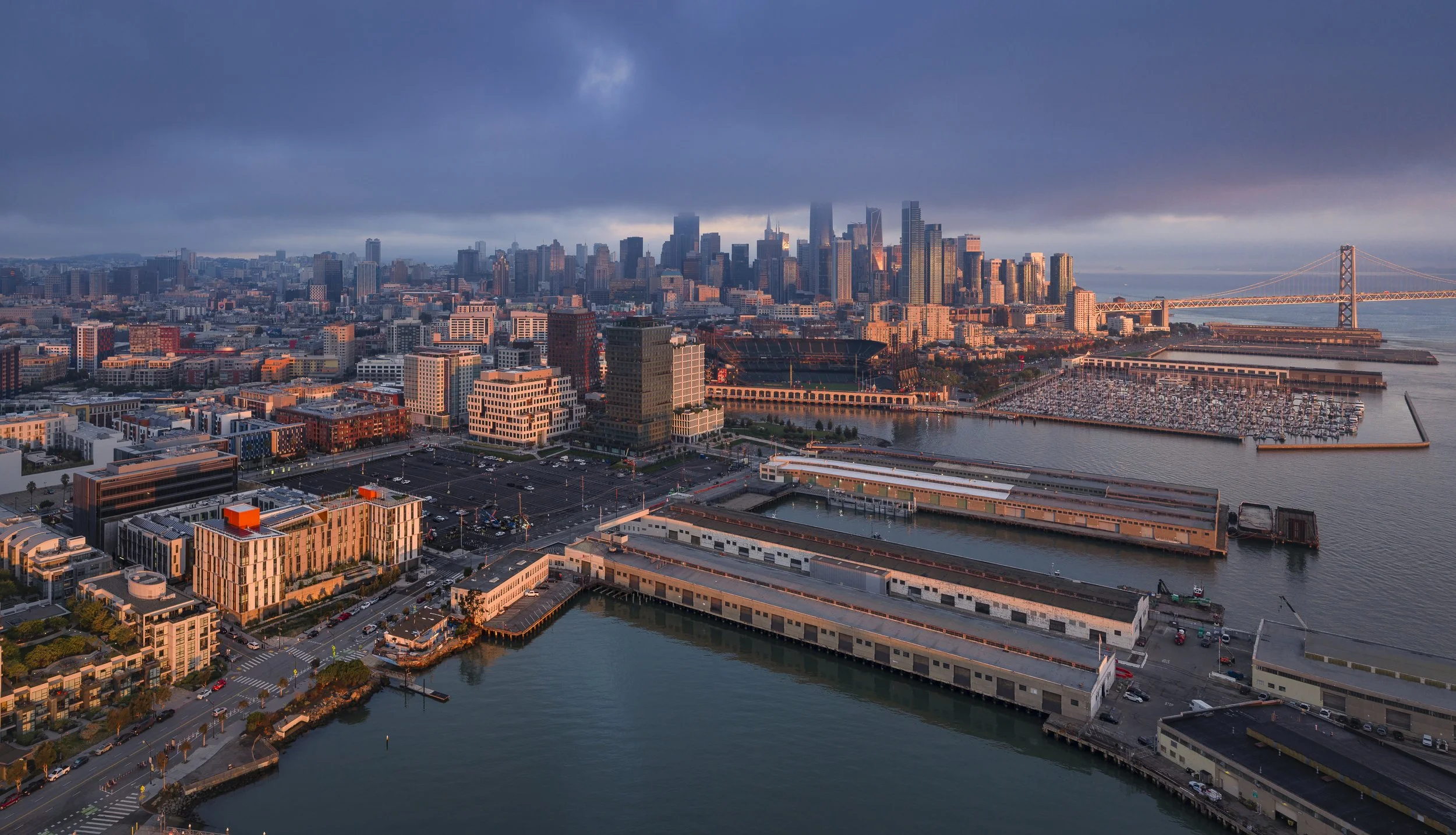
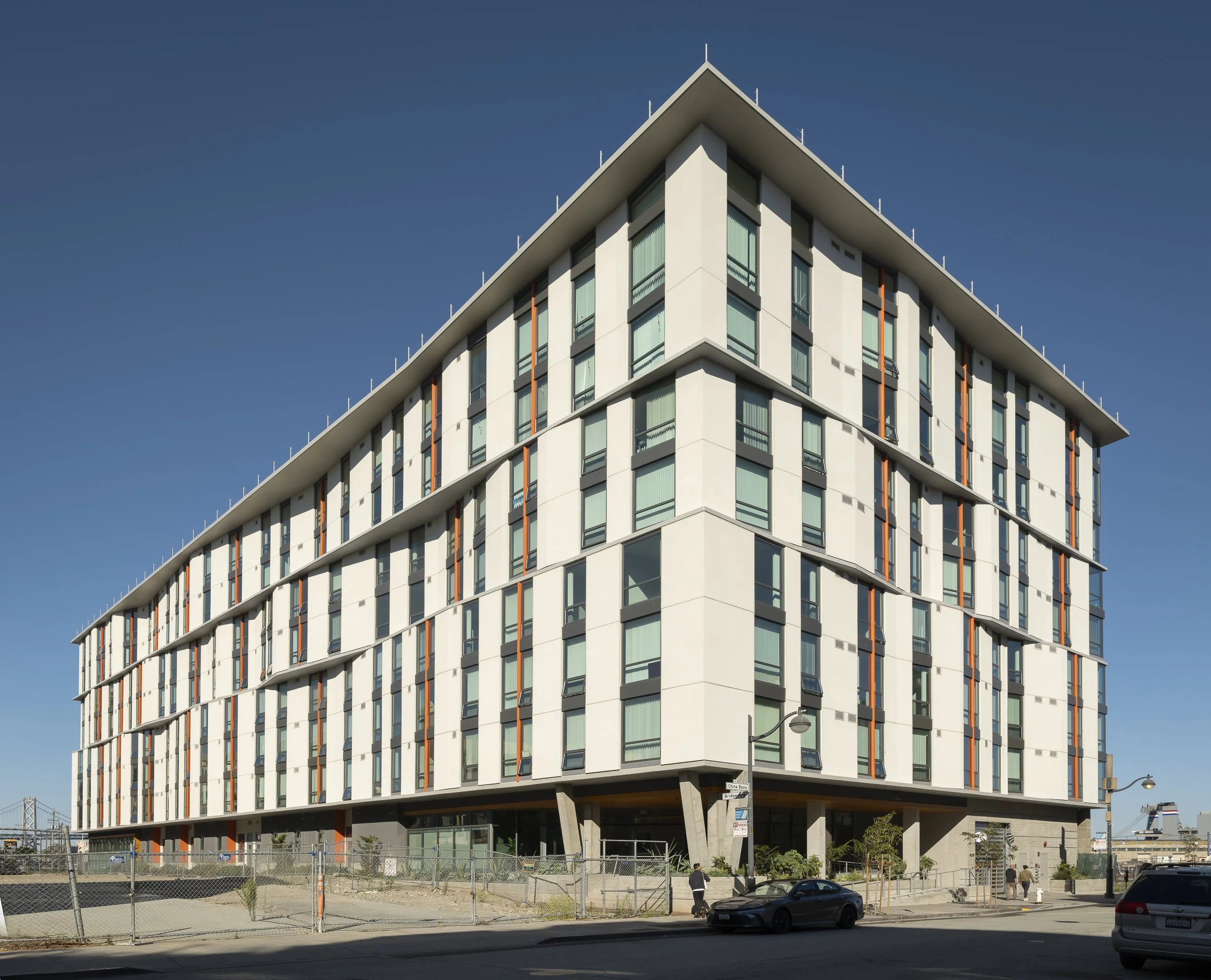
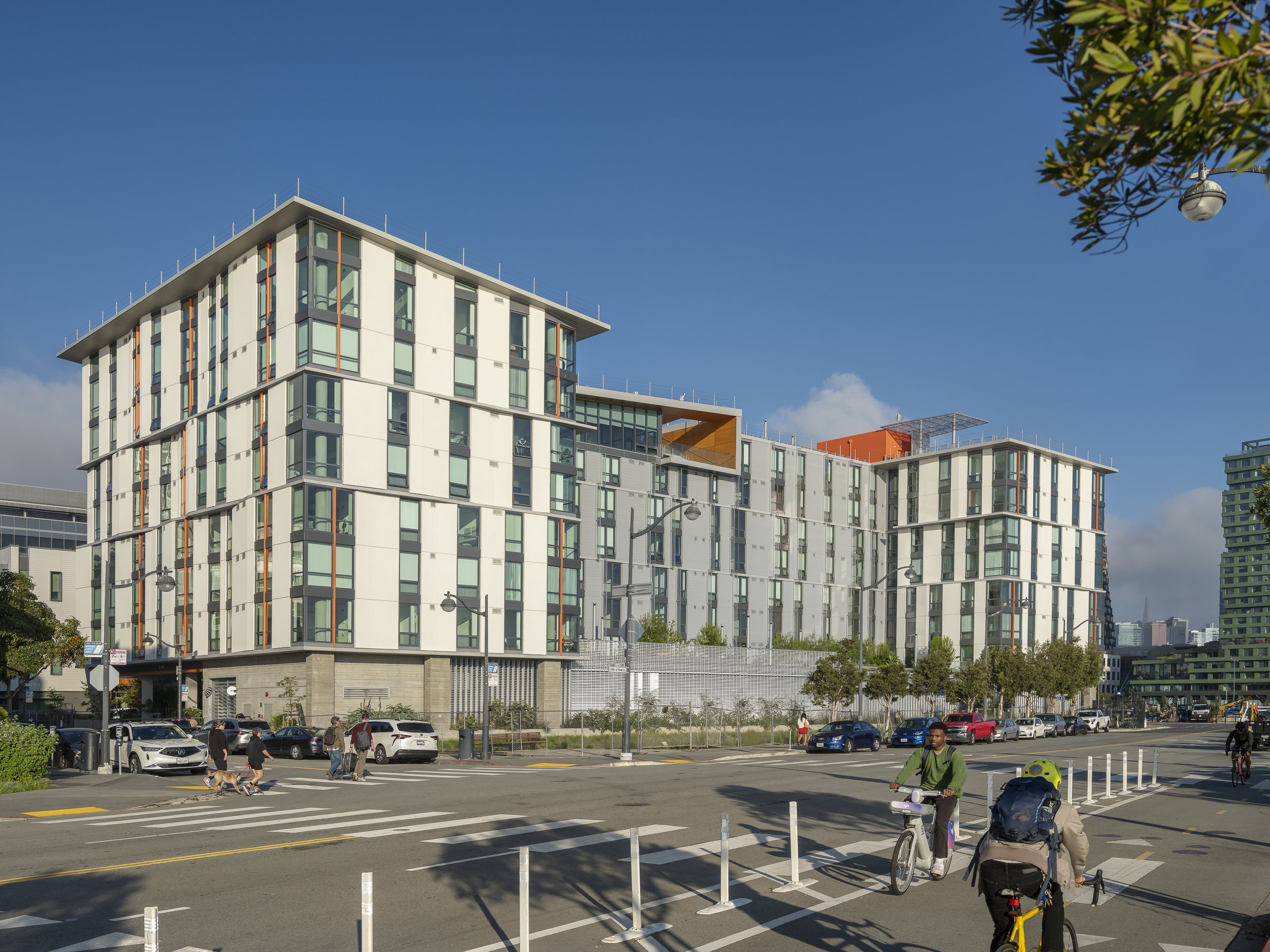
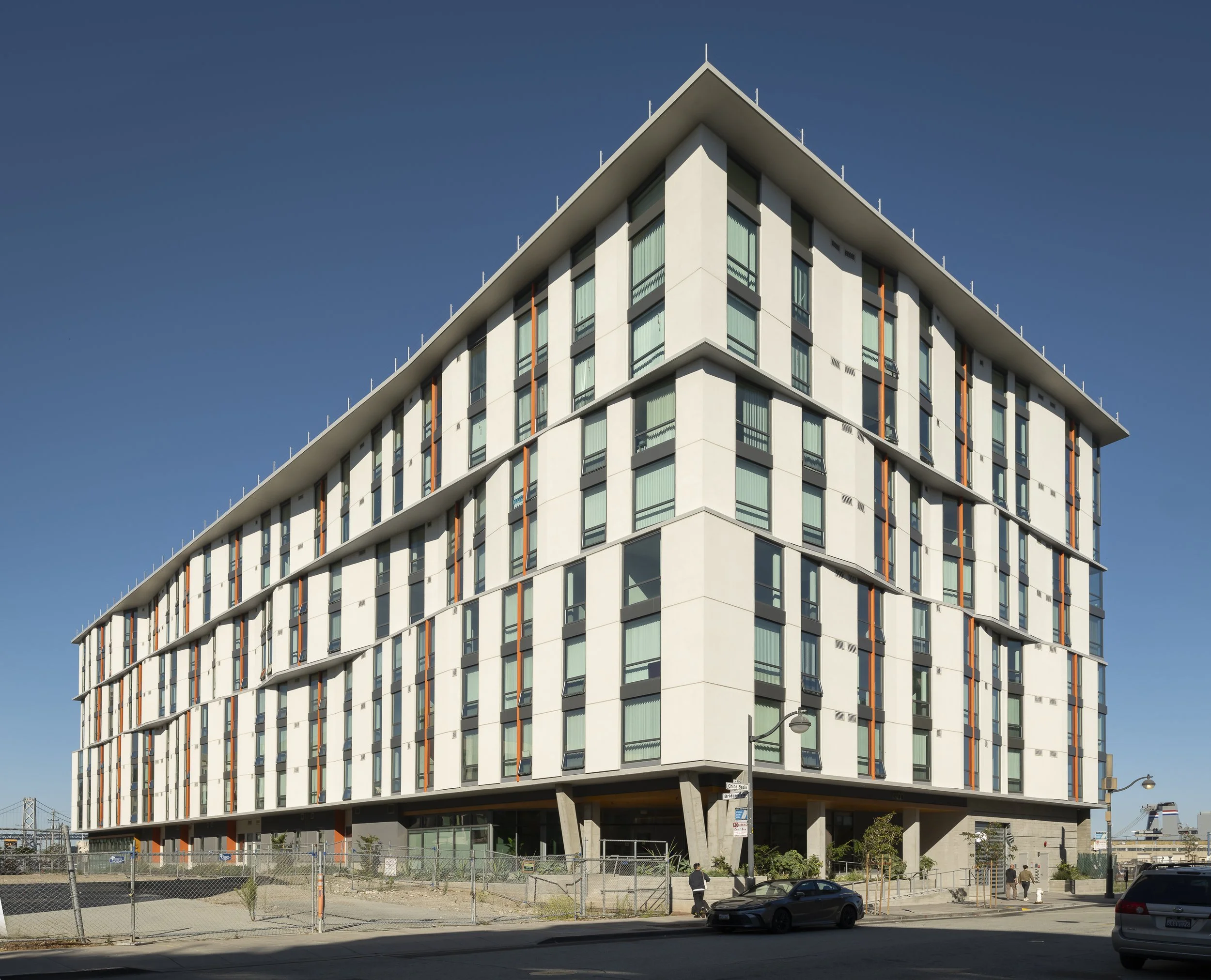
Completed in 2025 as part of the broader Mission Bay redevelopment, this eight-story, 148-unit condominium building is San Francisco's first 100% affordable, for-sale housing development in roughly 20 years. Units priced at a fraction of comparable market-rate condominiums in the city are targeted to households earning 80–110% of Area Median Income. The goal: first-time homeownership for moderate-income families, with the kind of long-term equity potential that changes what's possible for the next generation.
Y.A. studio served as associate architect and led interior design on this project, working closely with Mithun as architect of record and developer partners, including Curtis Development and Michael Simmons Development.
A Neighborhood Built on Reconciliation
Mission Bay is a new neighborhood in almost every sense, built largely from scratch over the past two decades on the eastern bayfront, but the communities it was designed to serve have deep, complicated roots.
During urban renewal efforts in the 1950s and 60s, thousands of predominantly African American families were displaced from neighborhoods like the Fillmore and relocated to areas such as Hunters Point and Potrero Hill; communities that have since faced chronic disinvestment. The 400 China Basin development team made a deliberate effort to reach back into those communities during outreach and marketing, specifically targeting descendants of displaced families and Certificate of Preference holders as prospective buyers.
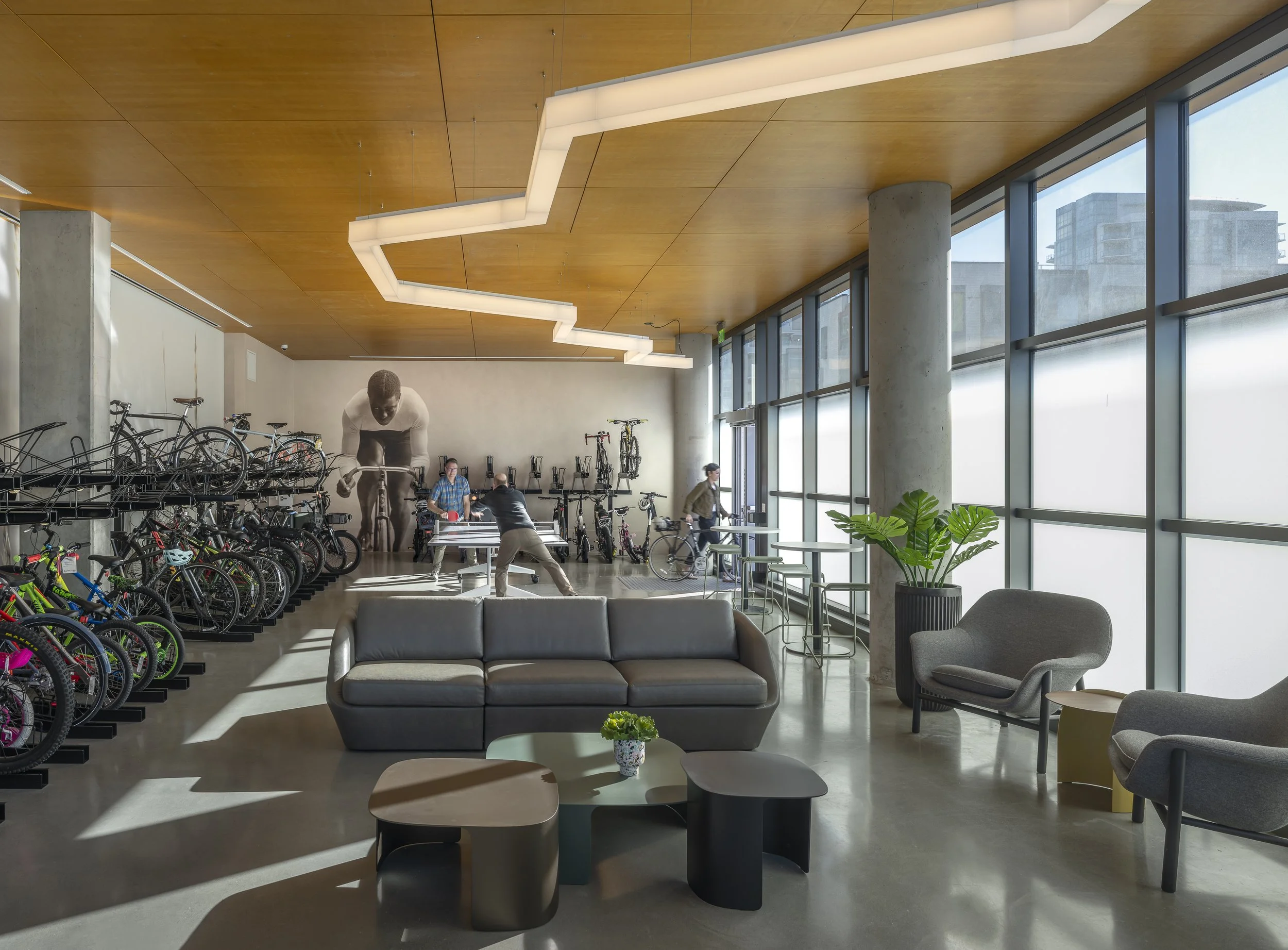
The mural in the building's bike room captures this spirit quietly but clearly: a portrait of Marshall "Major" Taylor, the first African American Olympic champion, who won cycling medals at the turn of the 20th century. It's not a grand gesture; it's the kind of specific, considered choice that distinguishes a building that's thinking about its residents.
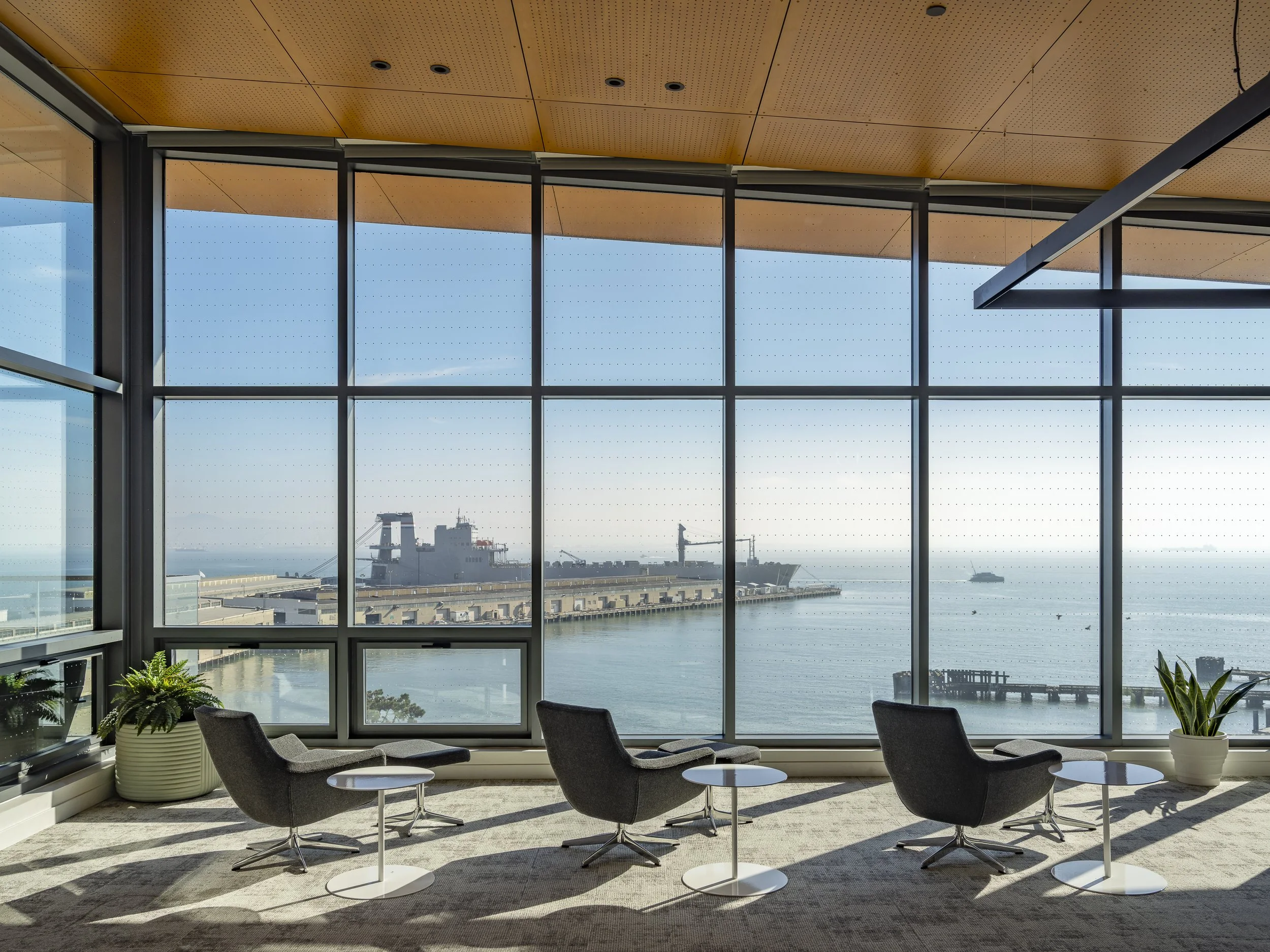
The site itself sits just a block from the bay, in a neighborhood that was once central to wartime shipbuilding; another layer of history designers wove into the building's common areas, where warm tones and visual connections to the water echo the area's maritime past.
Democratizing the View
One of the clearest design intentions at 400 China Basin was access — not just to affordable pricing, but to the quality of life that this particular location makes possible.
Amenities Designed for Equity
A block from the bay, with views north to downtown, east to the water, and west and south into the city, the site offered something genuinely rare: spectacular, multi-directional views. The design team made a deliberate choice to share those views broadly rather than reserve them for top-floor penthouse units.
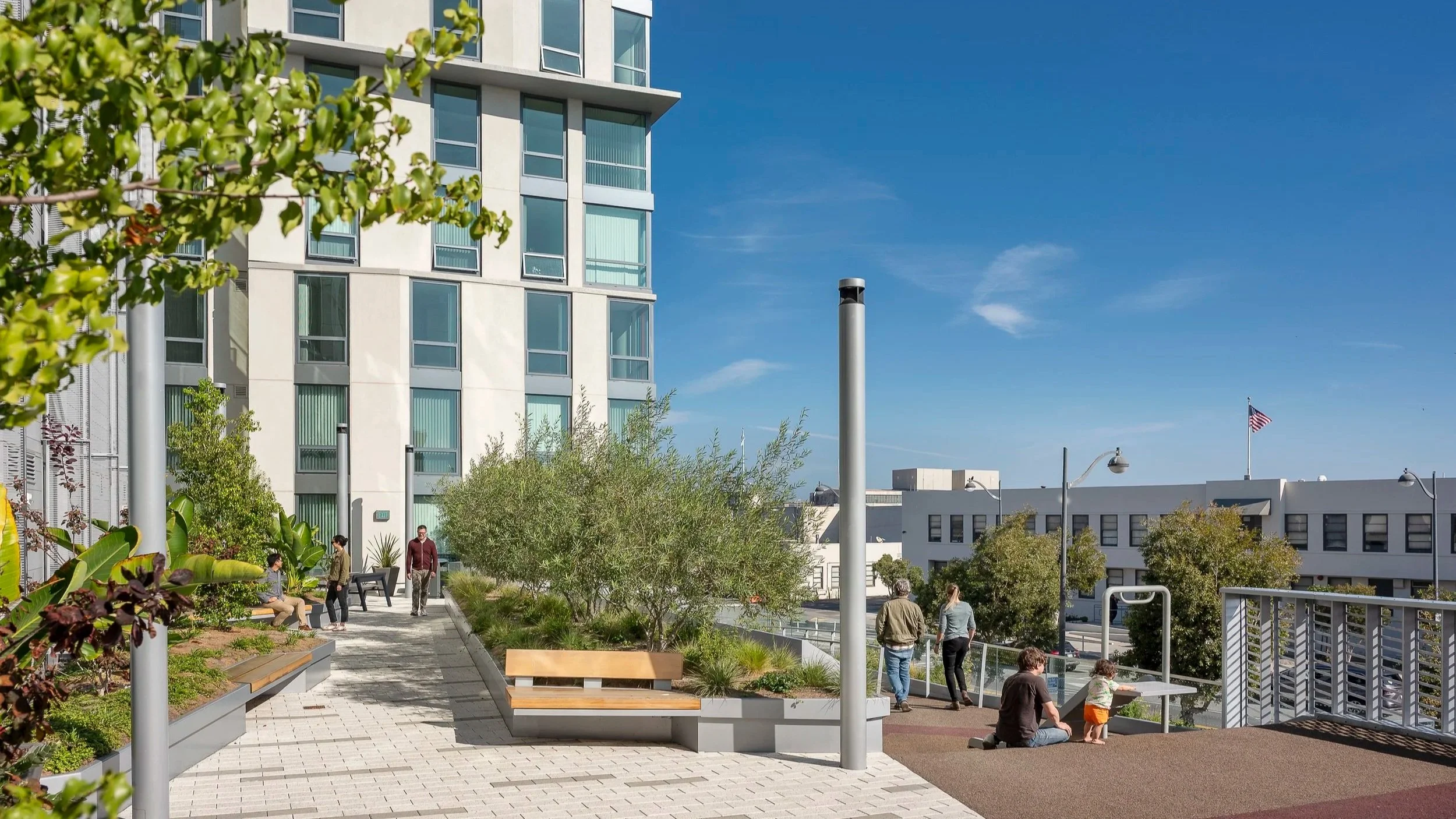
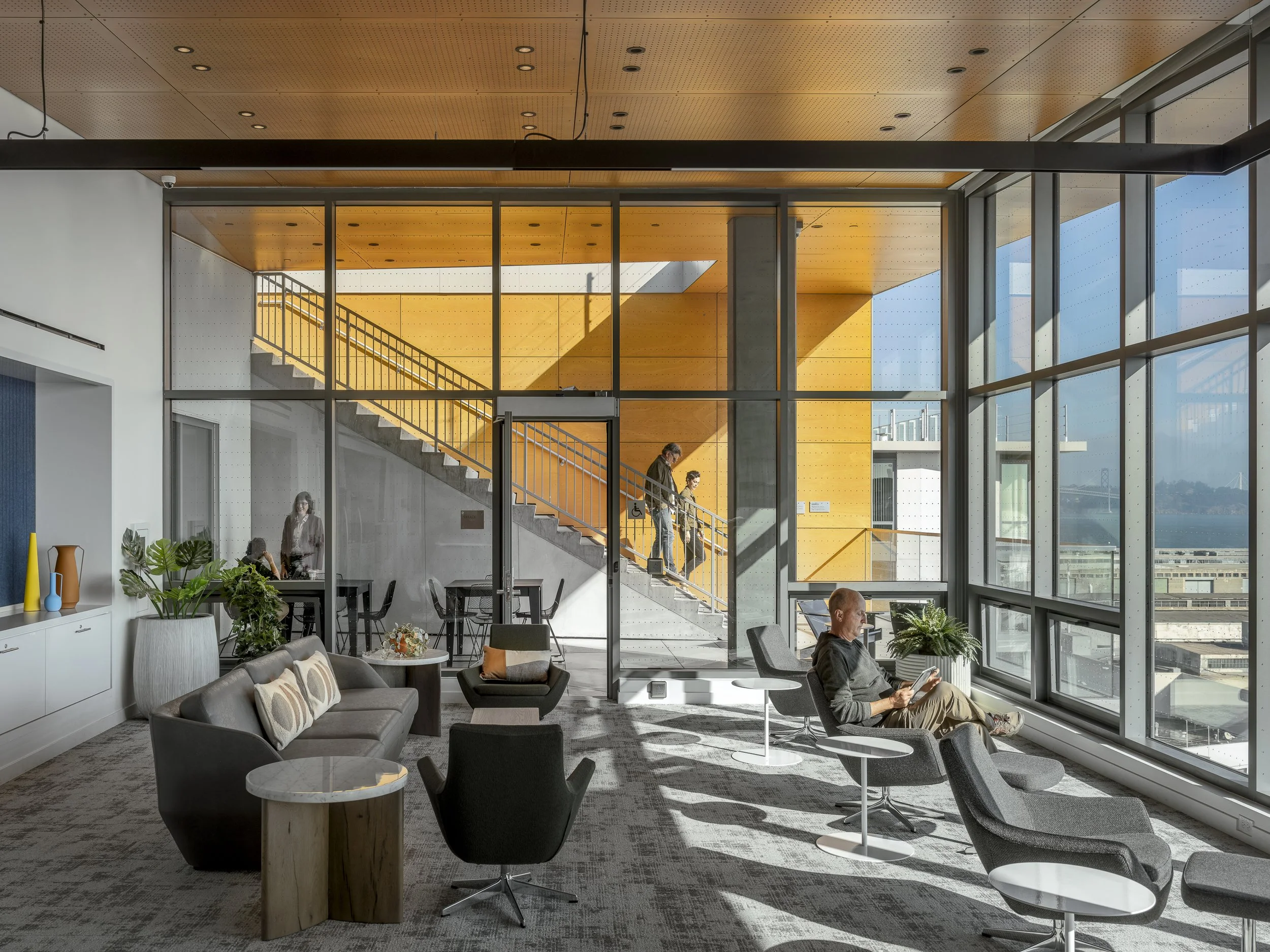
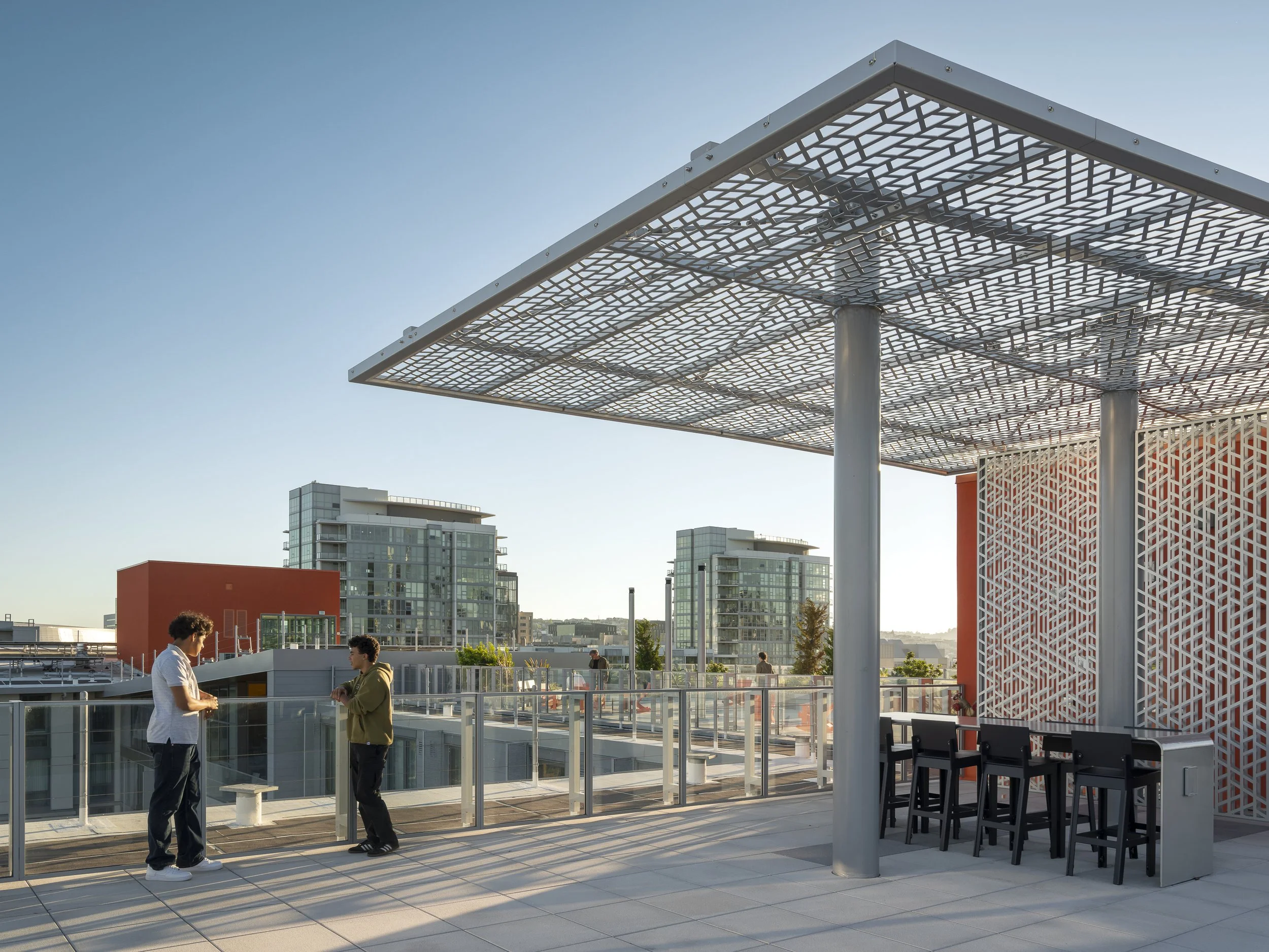
Community spaces were relocated to the upper floors specifically to give all residents access to the best the building offers. A large community living room on the top floor opens onto an outdoor terrace, which is connected via exterior stairs to a rooftop deck with barbecues and seating. The community room itself is designed as a flexible, multi-use space: a TV and presentation area, a dining and cooking zone that looks out toward the bay, and a lounge anchored by a striking corner column that splits at the entry — a small architectural moment that signals that this building was designed with intention.
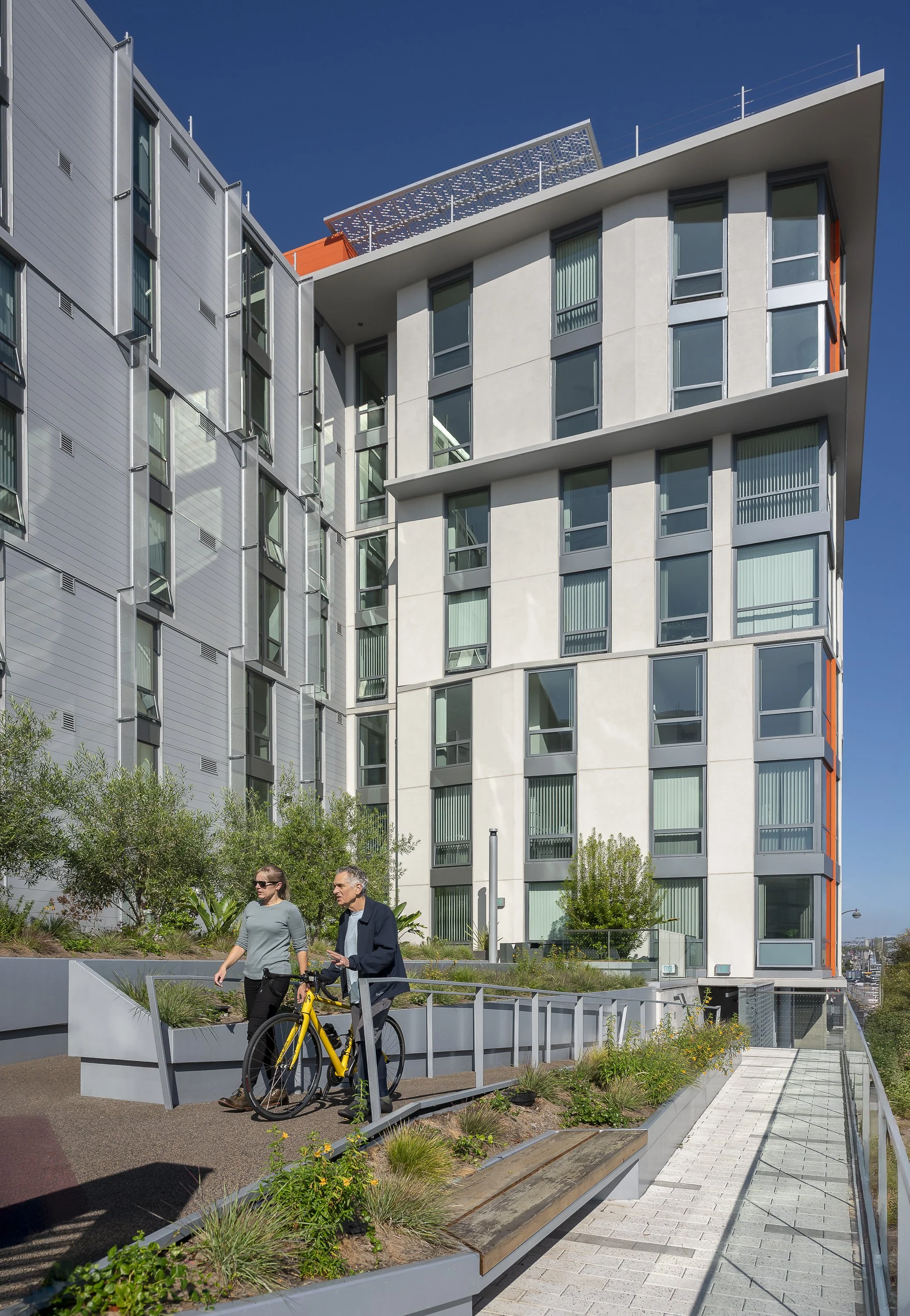
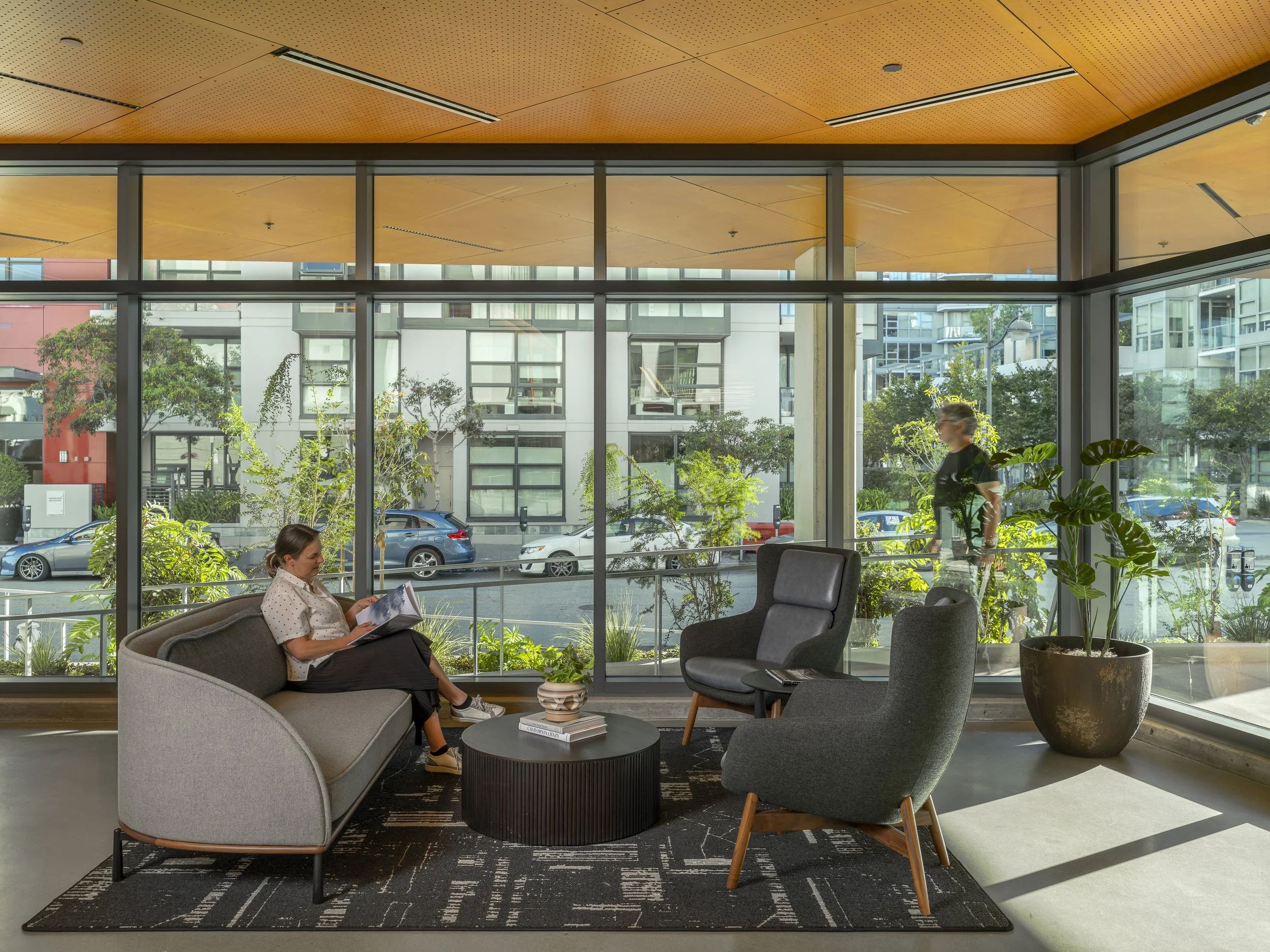
The ground floor was planned with the same care. Walk-up stoops bring residents directly to front doors along the street edge. A transparent lobby opens the building to the neighborhood. Business centers, meeting rooms, a package room, and a bike room that doubles as a teen lounge, complete with table tennis, line the perimeter, activating the pedestrian experience and meeting an OCII requirement for vibrant ground-floor programming that's consistent across the Mission Bay district.
"We wanted to treat this building as close to what's on the market as we could," said Yakuh Askew. "The idea was equality — provide a business center, a conference room, homework areas, spaces for meetings. Think about this community as equal to what you see in market-rate developments."
The result is what the design team describes, with some pride, as probably the most elevated affordable building we've done to date.
Built to Last and Built for What's Coming
Climate Resilience and GreenPoint Platinum
The building's sustainability credentials go beyond the solar panels visible on the rooftop. 400 China Basin achieved GreenPoint Rated Platinum, driven by an all-electric systems approach, careful material selection, and high glazing ratios that maximize natural daylight throughout the units.
The team also participated in a pilot program under the International Living Future Institute (ILFI) Living Building Challenge for affordable housing. While the cost implications ultimately made full certification impractical, the process deepened the team's understanding of how to bring high-performance design principles into affordable housing delivery, knowledge that continues to shape how Y.A. approaches sustainability in future projects.
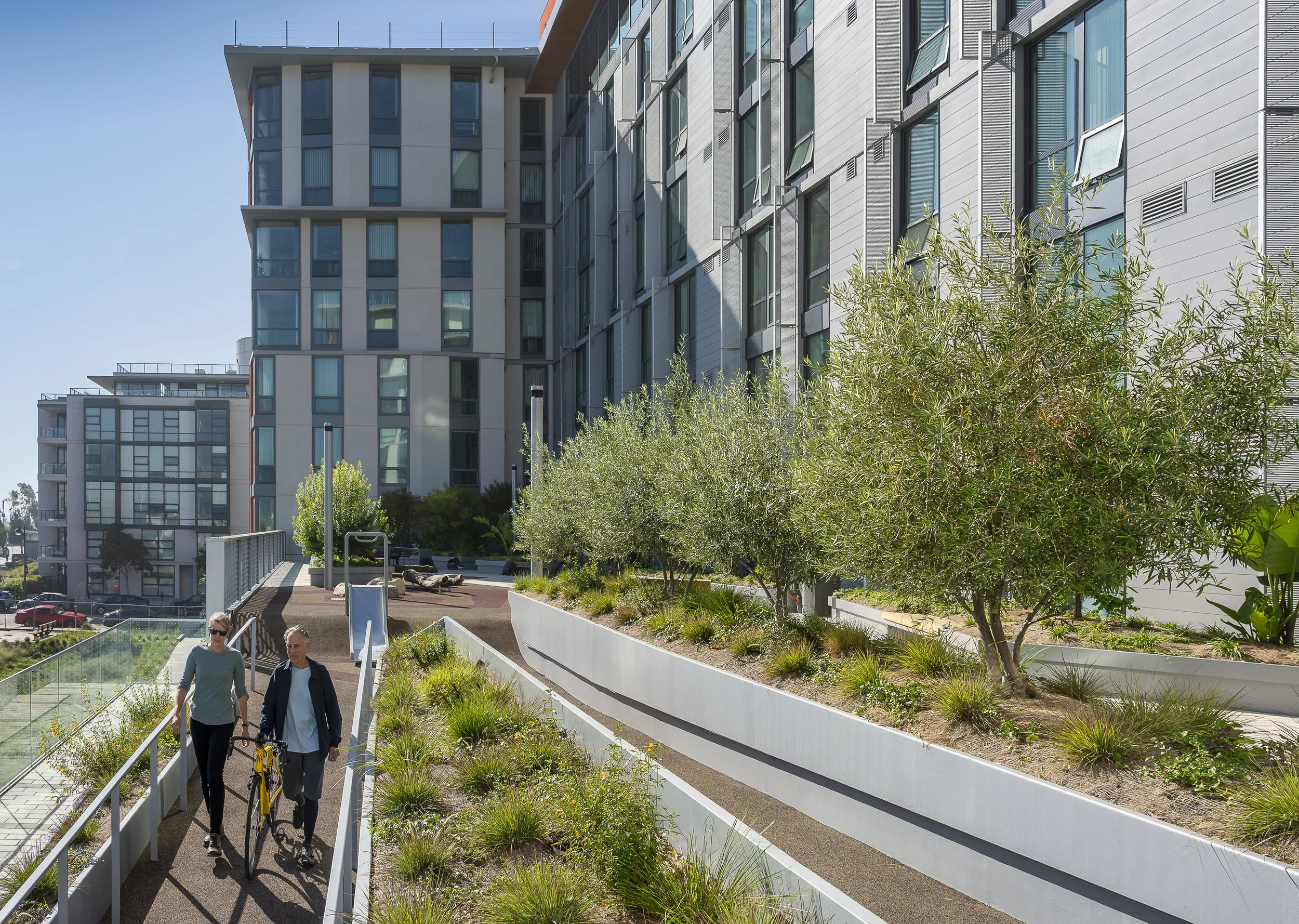
Perhaps most uniquely, the building was designed with sea-level rise in mind. The ground floor is elevated to account for up to four feet of potential water rise on the site, protecting all habitable and community spaces from future storm surge and climate impacts. The
parking level, by design, is the only portion of the building at risk. Biofiltration systems wrap the site perimeter, manage stormwater, and contribute to the neighborhood's broader environmental infrastructure.
This isn't just designed for today. It's designed for the families who will still be living here in 50 years.
What Success Looks Like
The lower AMI units at 400 China Basin sold quickly. The project was recognized as the development deal of the year in 2025. Mayor Daniel Lurie joined the ribbon-cutting in September 2025.
But the real measure of success at 400 China Basin is harder to quantify. It's a family from Hunters Point buying their first home, a real home, with equity, in a neighborhood with transit, open space, and a ballpark down the street.
It's proof that the model works. And if it works here, it can work again.
Y.A. Studio served as associate architect and interior design lead on 400 China Basin, in collaboration with Mithun.